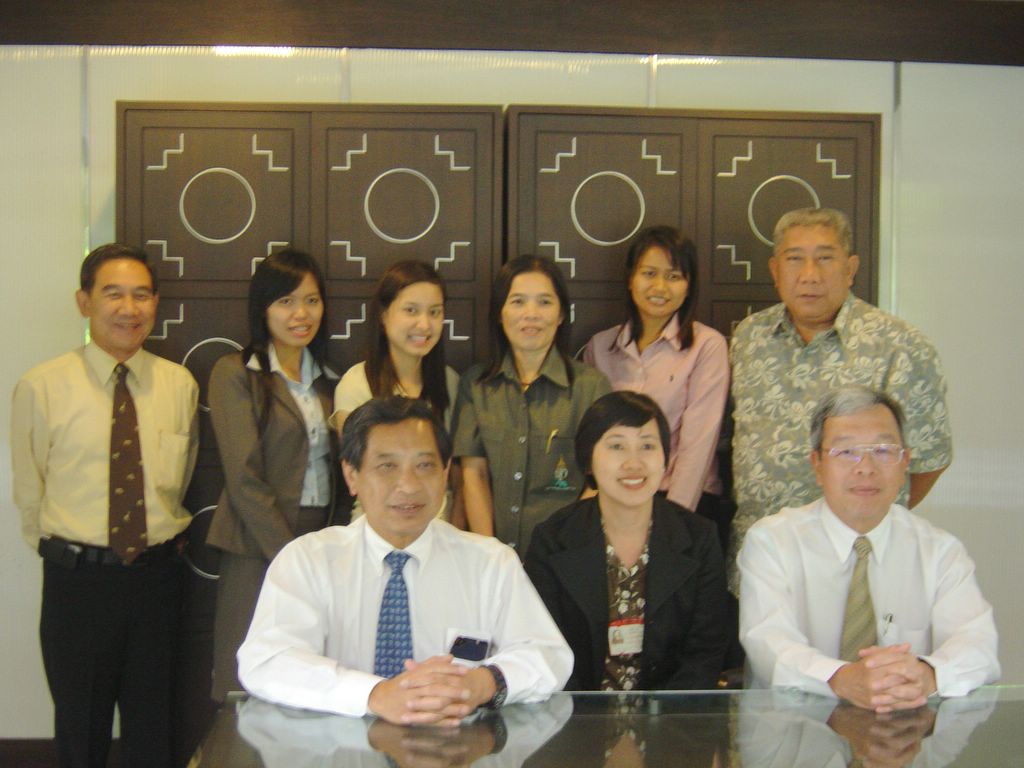
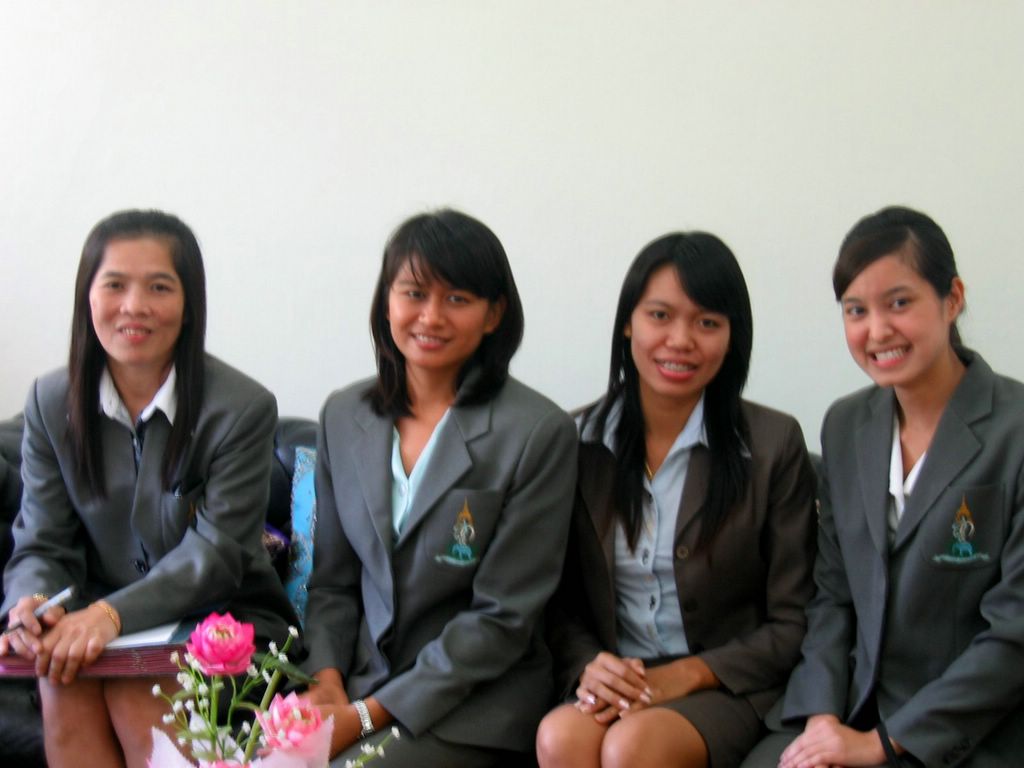
 Our board of Elephant Reintroduction Foundation gave a farewell party to khun Suttinee at Trang Hotel.
Monday, October 10, 2005

Tuesday, September 27, 2005
"Daily News" newspaper interview about the Foundation
The Daily News prints the interview with the Secretary-General of the Elephant Reintroduction Foundation about the works of the Foundation. Please click on the above link to read the article in Thai.
Thursday, September 22, 2005

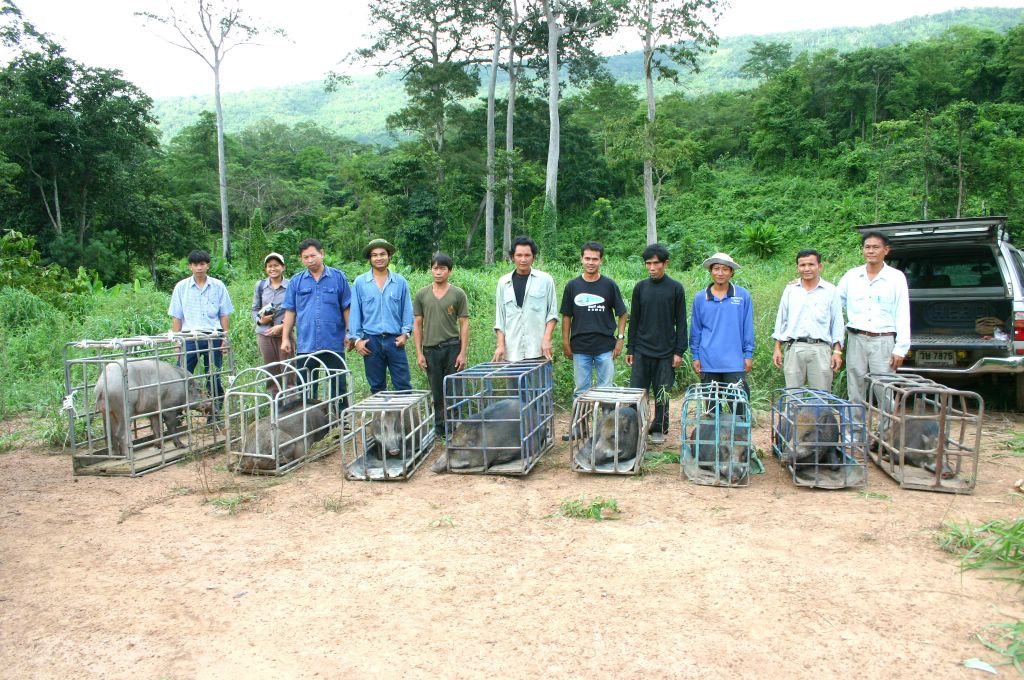
Eight wild boars (7 female and 1 male) are being readied to be released to the wild. Five of the female boars are pregnant with 5-10 babies each. The boars are implanted with microchips for identification. Release of the pregnant boars will ensure better reintroduction results as the boars will have to seek a safe place to have their babies. Also the male boar will be very protective and alert.

Wednesday, September 21, 2005
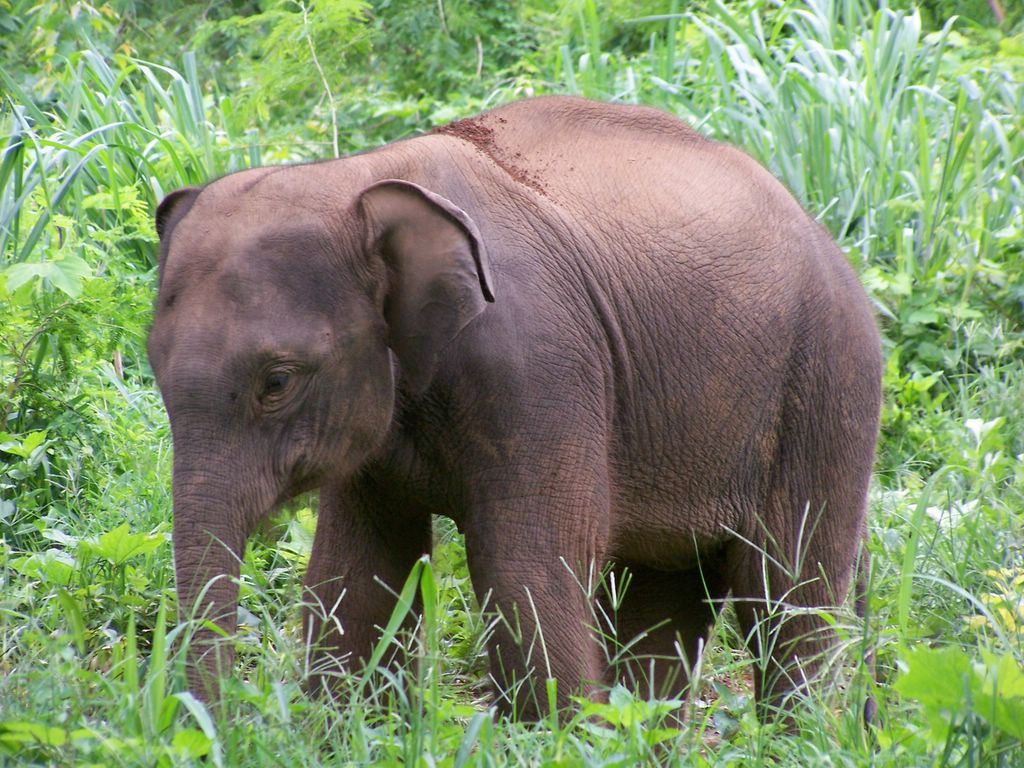
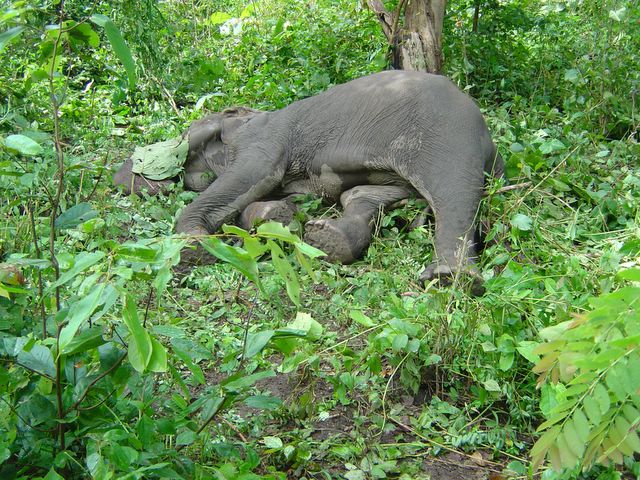
Pang Chumpee is found dead by our field staff in the forest of Doi Phamuang Wildlife Sanctuary near Lampang. She was about 61 years old and died of natural causes. She was released almost 6 years ago by H.M. the Queen Sirikit and enjoyed her last years in the wild after many years of hard work in the logging business. As traditional, a large lotus leaf is used to cover the elephant's face.
Tuesday, September 20, 2005

Monday, September 19, 2005
Chang, Chierk, and Tua
The Thai language uses two words to differentiate captive elephants and wild elephants. "Chierk" or "rope" is used for captive elephants. "Tua" or "living body" is used for wild elephants. In the past, the number of elephants possessed by a person was symbol of his power and wealth. Since it is usual that wild elephants will mingle with captive elephants, the word "Chierk" or "rope" was used to differentiate the actual number of captive elephants a personage possessed. "Chierk" was the rope that was tied to the captive elephant's ankle, which enabled the mahouts to corral the elephants by tethering another rope to it. I guess that if they had chains in the past, the captive elephants would have been called "Sow" or "chain". Unfortunately, most Thai have been acquainted with captive elephants for so long that the word "Chierk" has been used for both captive and wild elephants. The Elephant Reintroduction Foundation wants to stress the differentiation between "Chierk" and "Tua" and has come up with the motto "From Chierk to Tua".
Royal elephants are called "Chang", since they are regarded as higher than normal animals and cannot be called "Tua" Furthermore, they are not captive elephants and cannot be called "Chierk". ในภาษาไทยลักษณะนาม(บอกจำนวน)ที่ใช้เรียกช้างบ้าน จะเป็น "เชือก" ช้างป่าจะเป็น "ตัว" ในอดีตถ้าใครมีช้างในครอบครองอยู่มาก จะเป็นการบ่งบอกถึงความร่ำรวยและอำนาจบารมี สันนิษฐานว่า คำว่าเชือกจะมาจากการที่ใช้เชือกผูกช้าง และนับจำนวนช้างตามเชือกที่มีซึ่งคำว่า "เชือก" ถูกใช้จนเคยชินจนบางครั้งคนที่ไม่รู้ก็จะเรียกช้างป่าว่าเชือกด้วย มูลนิธิคืนช้างสู่ธรรมชาติจึงอยากจะให้ความสำคัญกับคำว่า "ตัว" จึงมีคำขวัญประจำมูลนิธิฯว่า "เปลี่ยนเชือก เป็นตัว" ส่วนช้างต้น จะมีลักษณะนามว่า "ช้าง"
Sunday, September 18, 2005
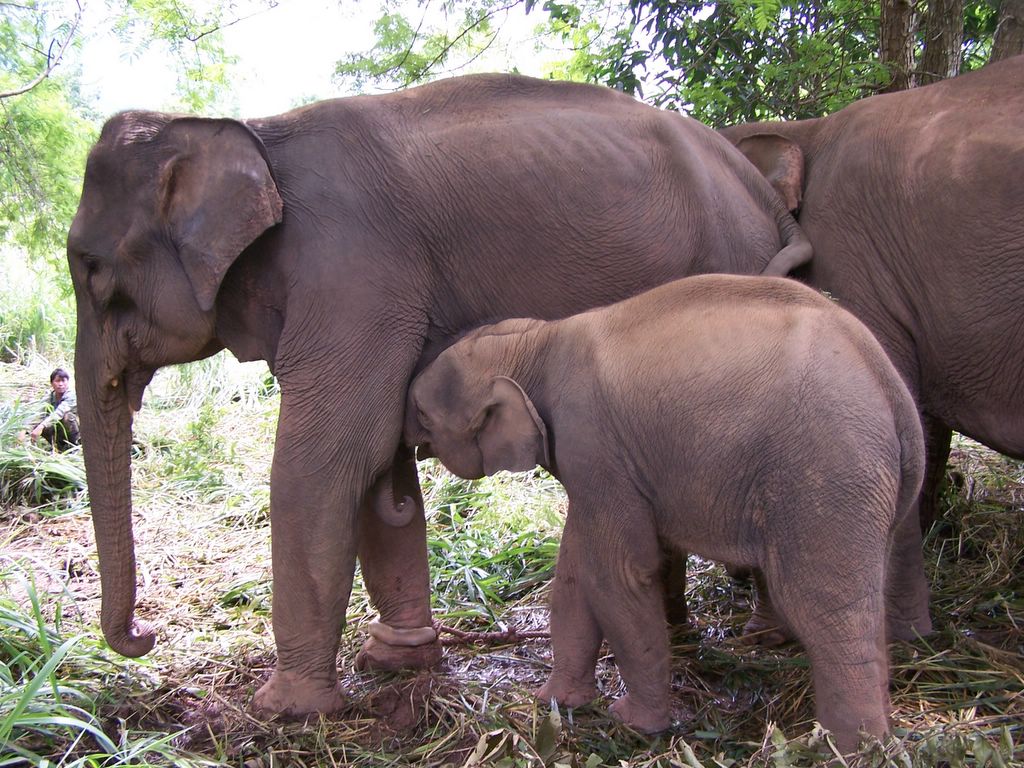

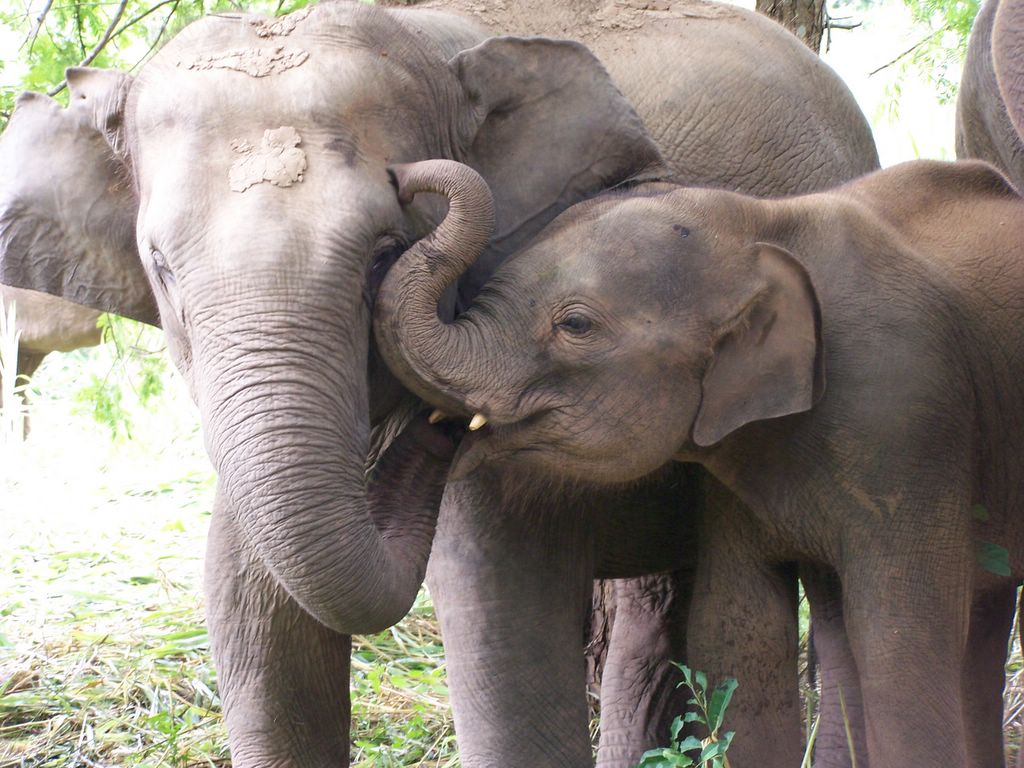


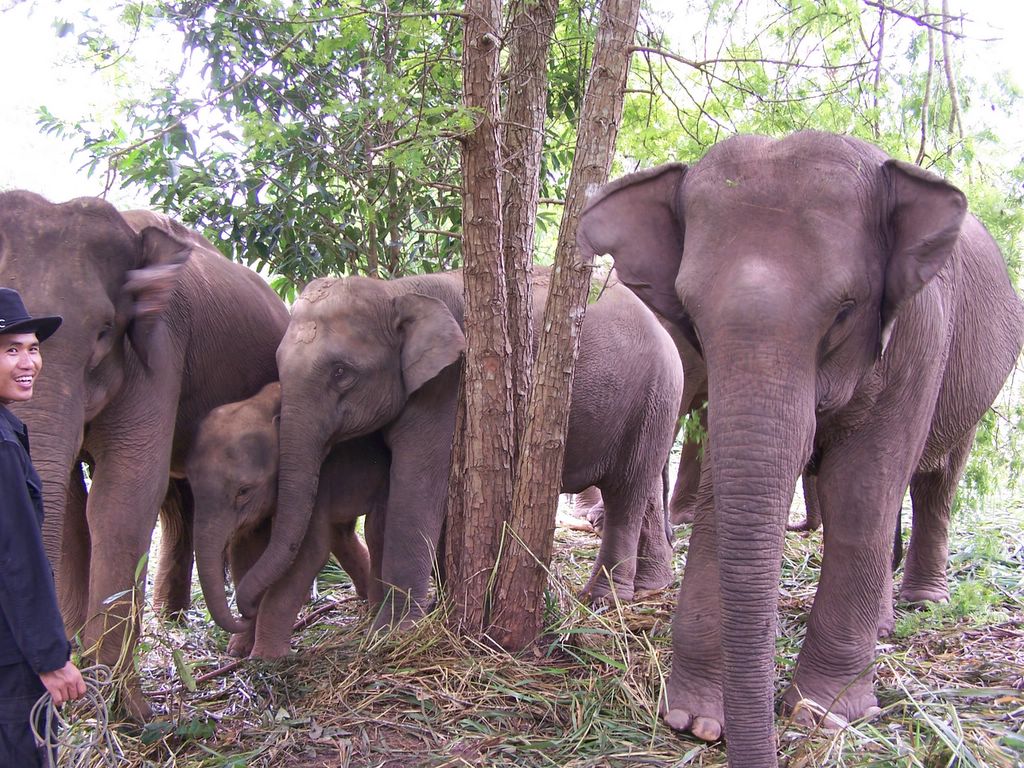
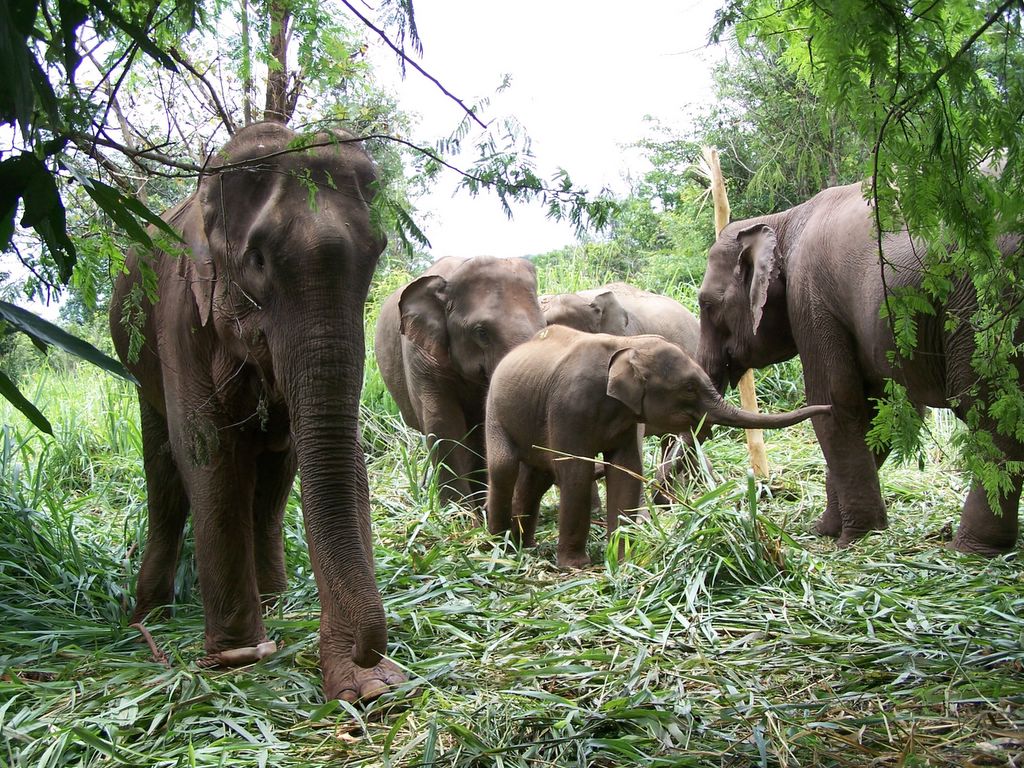

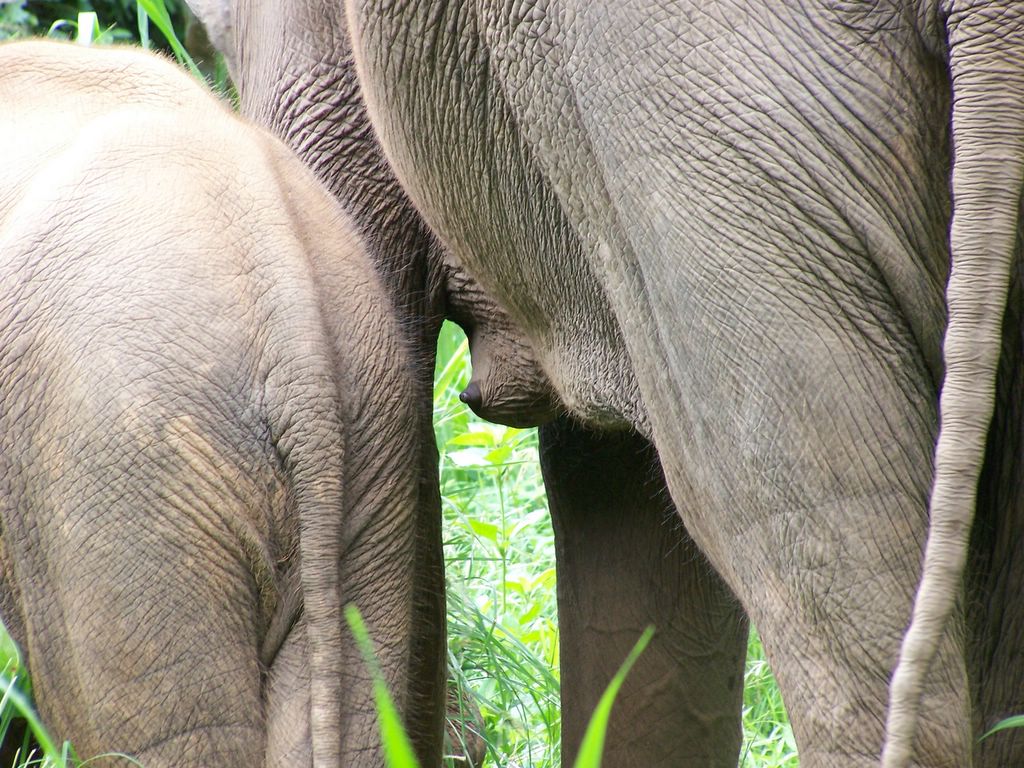
Pang Hua Dee has been malnourished and her skeleton shows on her side. Now in Sublanka she will be able to regain her normal weight and beauty. จากภาพสามารถมองเห็นซี่โครงของพังหัวดีอย่างชัดเจน เนื่องจากขาดสารอาหาร แต่เมื่อได้มาอยู่ที่เขตรักษาพันธุ์สัตว์ป่าซับลังกา พังหัวดีก็จะมีอาหารที่หลากหลายให้มีร่างกายที่แข็งแรงสมบูรณ์อีกครั้ง







Tuesday, September 13, 2005
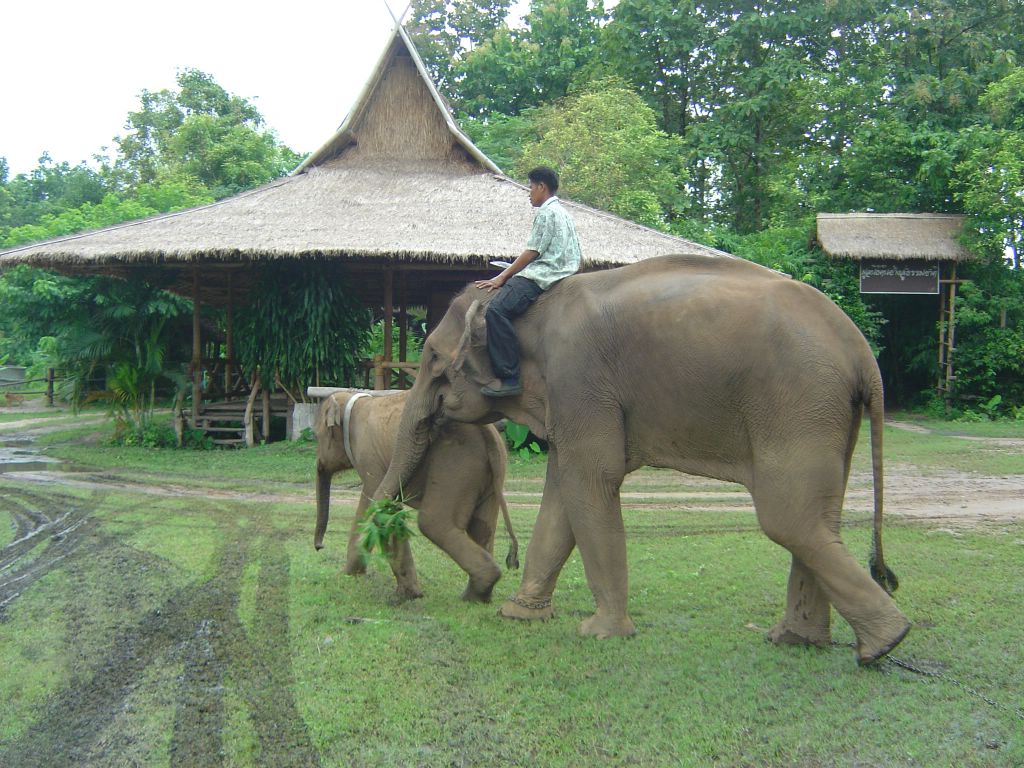
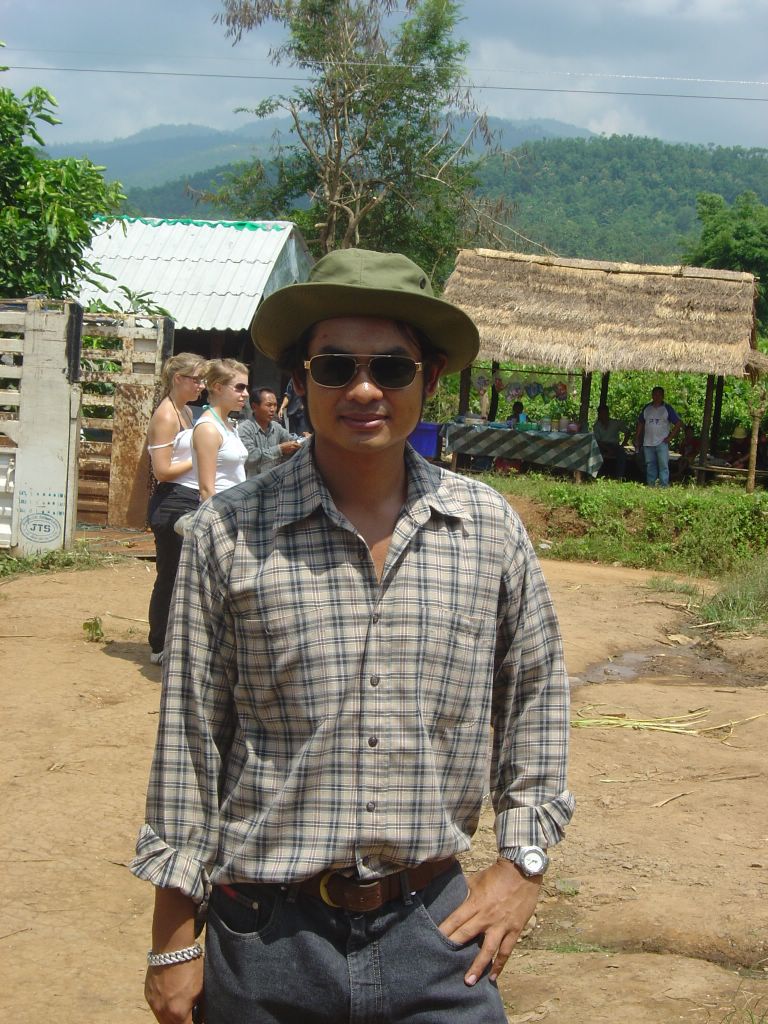


After some convincing, the elephant owner agrees to sell us both the mother and son elephants rather than separating them. Here our Mor Somchai, at the Foundation's office in Chiangmai, hands the owner the cheque for the elephants which we sent by airplane from Bangkok. หลังจากที่ได้อธิบายให้เจ้าของช้างแม่ลูกฟัง เจ้าของช้างตกลงที่จะขายให้กับมูลนิธิฯ เพราะไม่ต้องการแยกลูกกับแม่ออกจากกัน มูลนิธิฯจึงจัดส่งเช็คทางเครื่องบินให้หมอสมชายมอบให้กับเจ้าของช้าง
Saturday, September 03, 2005

Friday, September 02, 2005
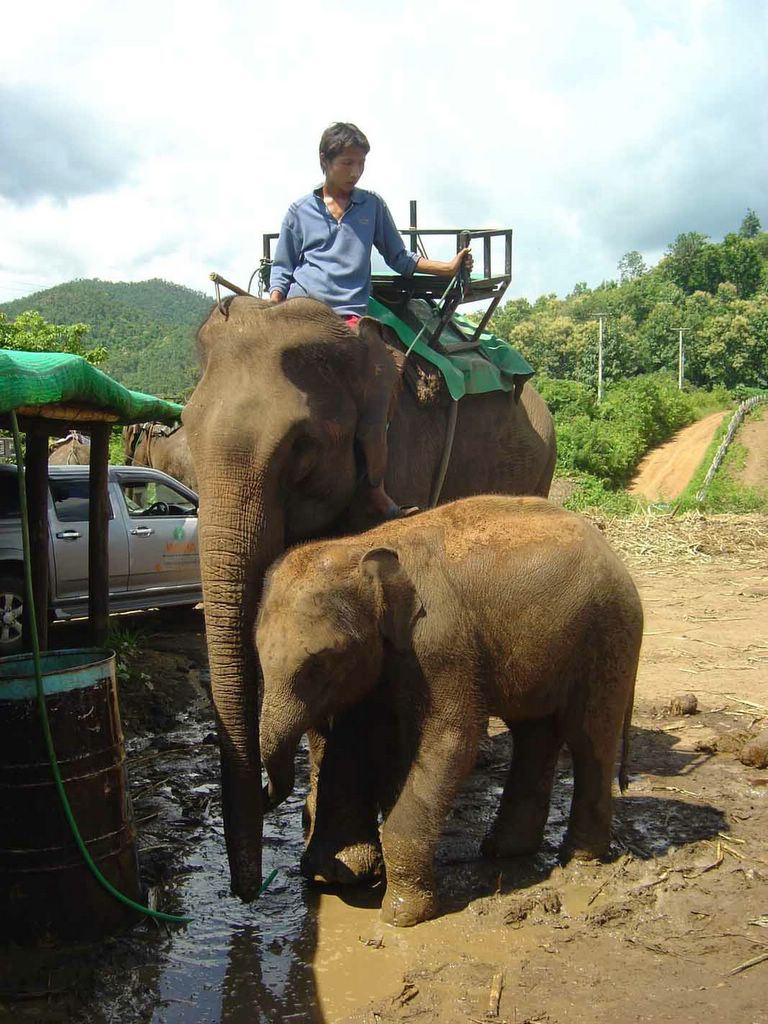
Pang Hua-dee and her baby son in Chiangmai. Mor Somchai tried to buy both the elephants but the owner said that he had committed to sell him to another buyer. The Elephant Reintroduction Foundation is sad because it doesn't believe that mother and child elephants should be separated until full maturity. It was hoping to be able to buy both and release both to the forest at the same time. หมอสมชาย เข้าติดต่อขอซื้อช้างแม่ลูกจากเจ้าของ ที่จังหวัดเชียงใหม่ แต่เจ้าของบอกว่าได้ตกลงขายให้กับผู้อื่นแล้ว มูลนิธิฯ หวังว่าการเจรจานี้จะทำให้ได้ช้างแม่ลูกเพราะ เราไม่ควรแยกแม่กับลูกช้างออกจากกัน
Tuesday, August 30, 2005
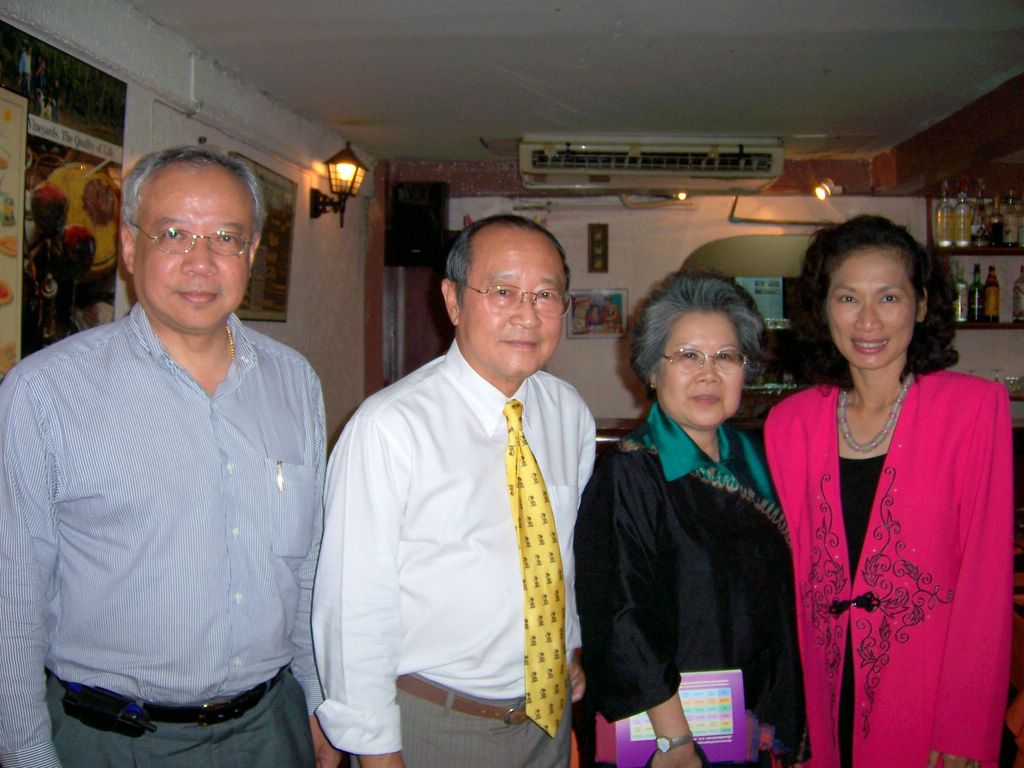
Dr. Sumet Tantivejkul and Khunying Chintana host dinner for Ambassador Akrasid and Supasiri Amartayakul during their brief visit to Bangkok from their post in Kenya. They were instrumental in arranging visits to elephant reserves in Kenya.ดร.สุเมธ และคุณหญิงจินตนา ตันติเวชกุล เป็นเจ้าภาพเลี้ยงอาหารขอบคุณคุณเอกสิทธิ์และคุณศุภสิริ อมาตยกุล เมื่อคราวไปดูงานที่ประเทศเคนยา ณ โรงแรมแอมบาสเดอร์

Khun Rachada with Bachelors in Engineering from Chulalongkorn Univ.,Masters Degree in Engineering from Tokyo University of Technology, and an MBA from Thammasart Univ. visits the Elephant Reintroduction Foundation office and tries to fix Khun Bundit's laptop, while Khun Thanom and Khun Suthas give her moral support. คุณรัชดา จบการศึกษา ปริญญาตรี คณะวิศวกรรมศาตร์จากจุฬาลงกรณ์มหาวิทยาลัย ปริญญาโทวิทยาศาสตร์จากมหาวิทยาลัยโตเกียวและปริญญาโทคณะบริหารธุรกิจ มหาวิทยาลัยธรรมศาตร์ เยี่ยมมูลนิธิฯ และได้พยายามซ่อมโน๊ตบุ๊คของคุณบัณฑิต ขณะที่มีคุณถนอมและคุณสุทัศน์ช่วยอีกแรง
Saturday, August 27, 2005




Friday, August 26, 2005
Kenya moves 400 elephants from overcrowded reserve
At the Shimba Hills, 600 elephants occupy space deemed adequate for only 200.
The Simba Hills National Reserve is 320 sq km. Our Sublanka Wildlife Reserve has 160 sq km. ที่เขาซิมบา มีช้าง 600 ตัว ซึ่งในพื้นที่ปริมาณที่เหมาะสมน่าจะประมาณ 200 ตัว ของพื้นที่ 320 ตารางกิโลเมตร เทียบกับซับลังกา ซึ่งมีพื่นที่ 160 ตารางกิโลเมตร
Wednesday, August 24, 2005

Tuesday, August 23, 2005

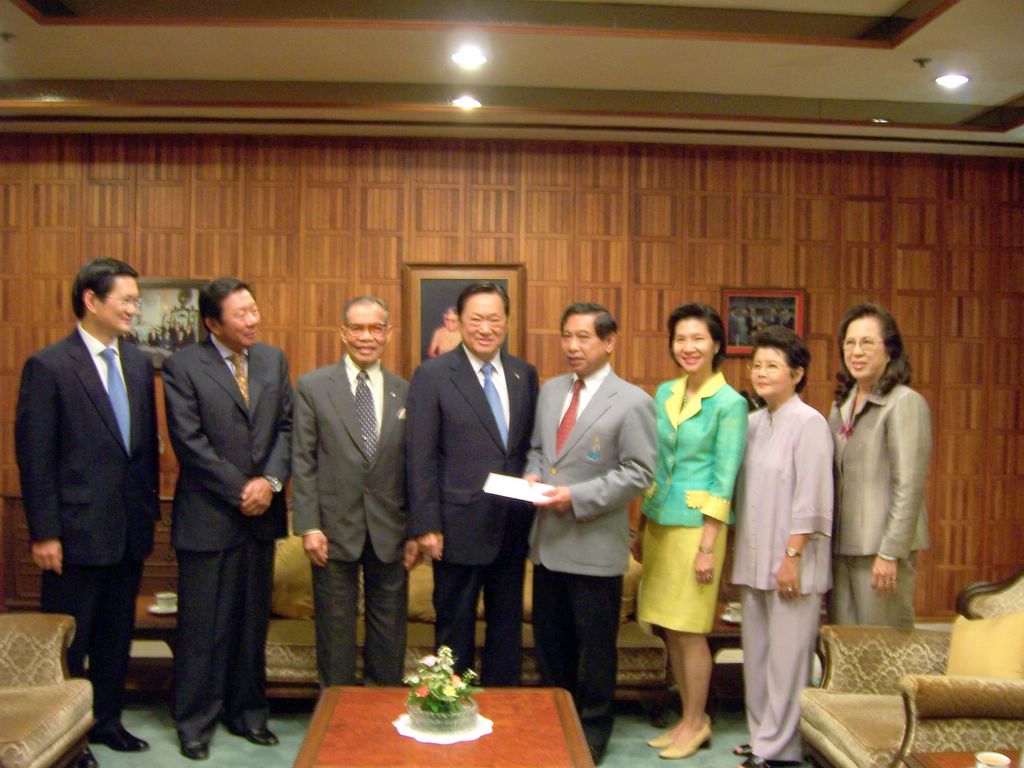
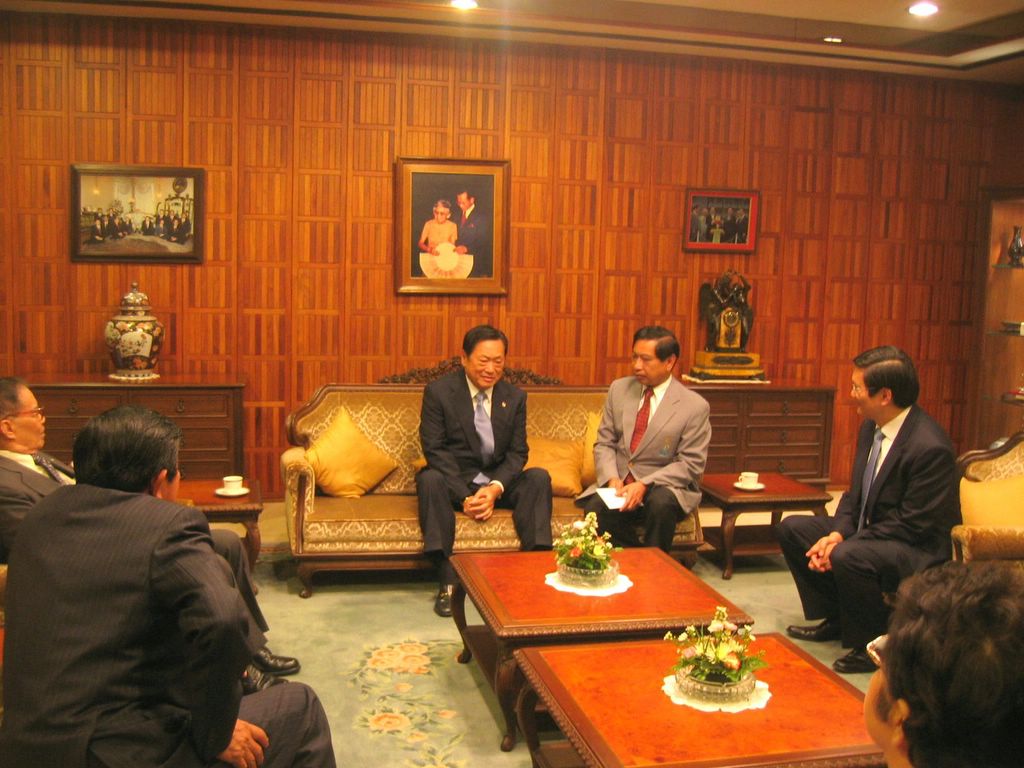
Khun Chatri Sophonpanich, Chairman of Bangkok Bank PCL., donates Baht 500,000 to the Elephant Reintroduction Foundation for the release into the wild of one elephant on the occasion of his 72nd birthday in February 2006. Left to right: Chartsiri Sophonpanich (CEO of BBL), Soradit Vinyarat, Damrong Krisnamara, Khun Chatri, Sivaporn, Nintira, and two colleagues of Khun Damrong.
Monday, August 22, 2005
Elephant Communication Range

Generally, "elephants hear and respond to each other's loud calls from distances as great as four kilometres away"(Payne P.121). This under normal conditions would mean elephants can communicate and hear a message within a fifty+ square kilometres range. With David Larom and Michael Garstang´s work with long range calls and atmospheric conditions it was found that elephants have the capability of 9.8 kilometres away and within a 100 square kilometre range. At evenings in Africa the air temperature within 300 metres of the ground becomes inverted causing low-frequency sound to be reflected back to the ground instead of normally dissipating into the sky. Basically, around dusk elephants can communicate with each other over a much greater distance.โดยปกติในสภาวะปกติ แล้วช้างจะได้ยินและตอบสนองต่อเสียงเรียกจากช้างอื่นได้ไกลรัศมีถึง 4 กิโลเมตร คือใน 50 ตารางกิโลเมตร จากงานศึกษาของ David Larom and Michael Garstang พบว่าช้างอาจจะติดต่อกันได้ไกลถึง รัศมี 10 กิโลเมตร ในช่วงบ่ายที่มีอุณหภูมิอากาศจะผลิกผัน ในระยะ300 เมตรจากพื้นดิน ช้างจะติดต่อสื่อสารกันได้ดีไกลกว่านั้น
Friday, August 19, 2005
Sunday, August 14, 2005
Thai Rath Newspaper Article-by Zoom
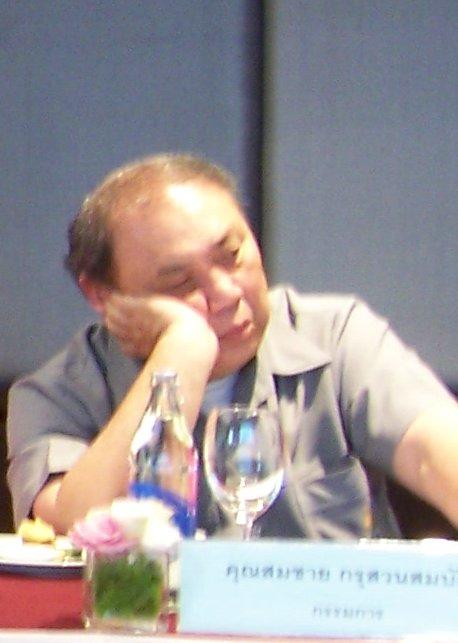
Zoom of Thai Rath writes a very good article for the Foundation.
Please click on the above link to read the article in Thai.
คุณซูม จากหนังสือพิมพ์ไทยรัฐ ได้เขียนบทความเกี่ยวกับการทำงานของมูลนิธิฯ
Tuesday, August 02, 2005
Elephant Reintroduction Foundation Board Meeting

The Board meets to review the Foundation's half year activities and to decide upon pending issues.
Left to right: Mor Somchai, Privy Councillor Surayud Chulanont, Somchai Krusuansombat ("Zoom" Thai Rath), M.R. Jiyakorn Sesavej, Dr. Sumet Tantivejakul, Dr. Robert J. Mather, Khunying Wanna Sirivadhanabhakdi, Bundit Saowan, M.R. Disnadda Diskul, Pichai Chantavirachart, Sivaporn Dardarananda, and Premjith Hemmawath. ประชุมคณะกรรมการสามัญ มูลนิธิคืนช้างสู่ธรรมชาติ (จากซ้ายไปขวา) นายสัตวแพทย์สมชาย ท่านองคมนตรี พลเอกสุรยุทธ์ จุลานนท์ คุณสมชายกรุสวนสมบัติ ม.ร.ว.จิยากร เสสะเวช ดร.สุเมธ ตันติเวชกุล ดร. โรเบิร์ต จูเลียน มาเธอร์ คุณหญิงวรรณา สิริวัฒนภักดี คุณบัณฑิต เสาวรรณ ม.ร.ว. ดิศนัดดา ดิศกุล คุณพิชัย ฉันทวีระชาติ คุณศิวะพร ทรรทรานนท์ คุณเปรมจิตร เหมวัฒน์
Subscribe to:
Posts (Atom)
