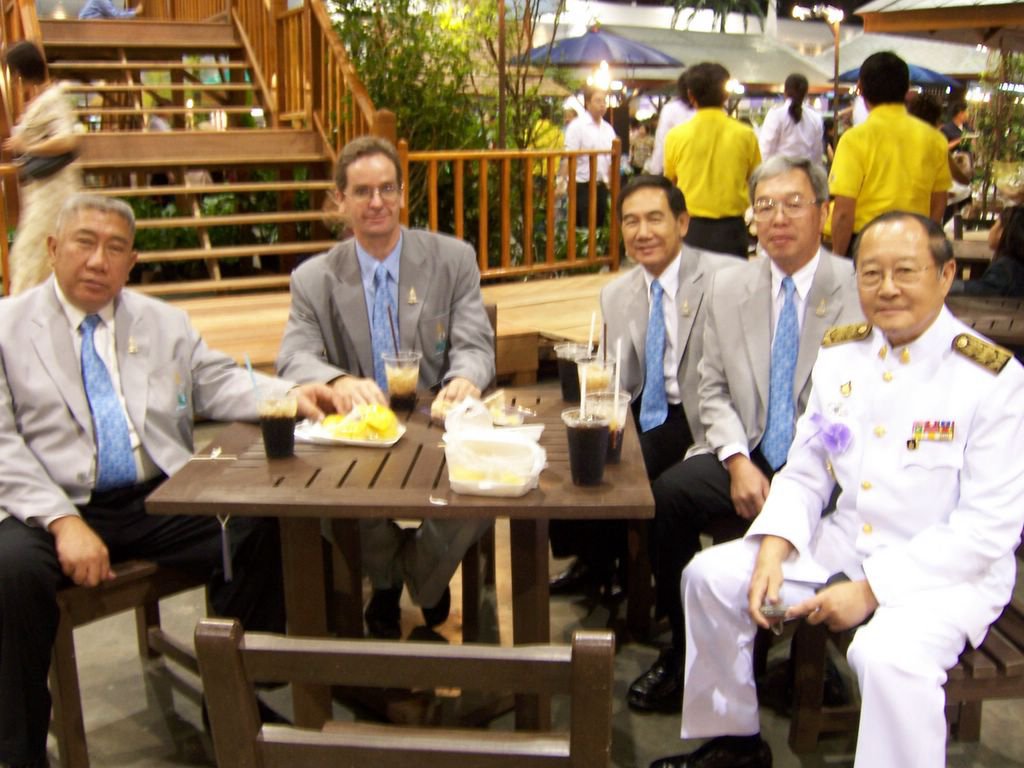
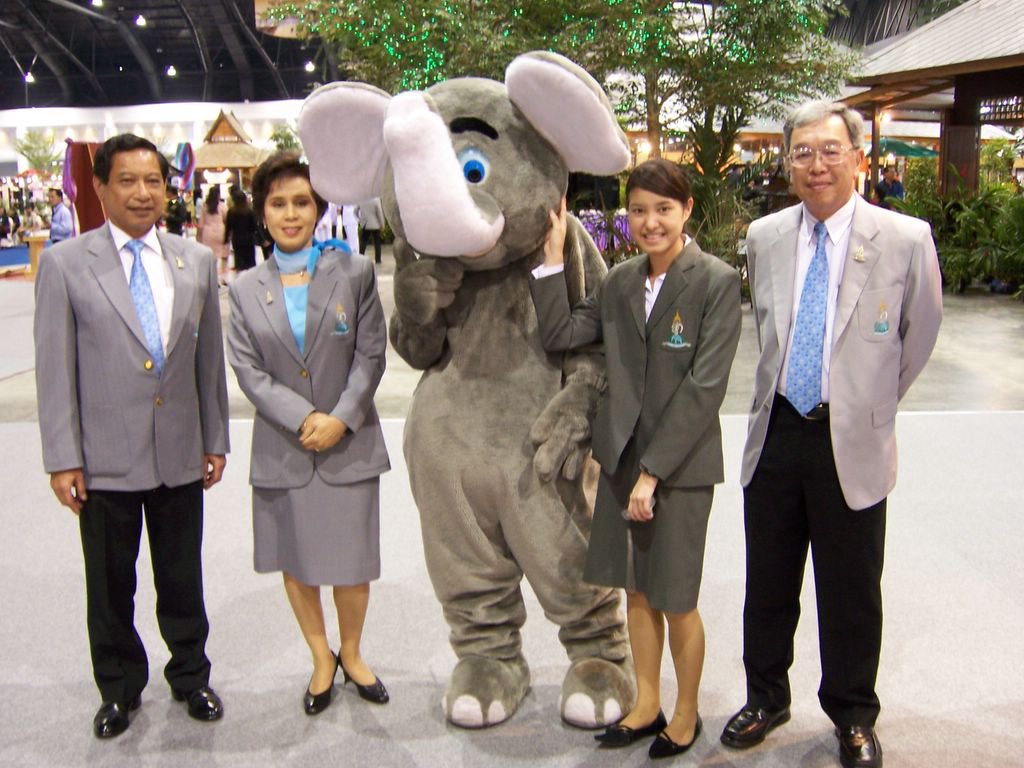
 Khun Bundit, Dr. Robert, Khun Chookiat, Khun Pichai and Dr. Sumet take a break after HRH Princess Sirindhorn's departure.
หลังจากที่สมเด็จพระเทพรัตนราชสุดาฯ สยามบรมราชกุมารีเสด็จพระราชดำเนินกลับ คุณบัณฑิต, ดร.โรเบิร์ต, คุณชูเกียรติและดร.สุเมธ (จากซ้ายไปขวา) พักรับประทานอาหารว่างภายในซุ้มกาแฟบริเวณงาน
Khun Bundit, Dr. Robert, Khun Chookiat, Khun Pichai and Dr. Sumet take a break after HRH Princess Sirindhorn's departure.
หลังจากที่สมเด็จพระเทพรัตนราชสุดาฯ สยามบรมราชกุมารีเสด็จพระราชดำเนินกลับ คุณบัณฑิต, ดร.โรเบิร์ต, คุณชูเกียรติและดร.สุเมธ (จากซ้ายไปขวา) พักรับประทานอาหารว่างภายในซุ้มกาแฟบริเวณงานMonday, October 31, 2005
Khun Bundit, Dr. Robert, Khun Chookiat, Khun Pichai and Dr. Sumet take a break after HRH Princess Sirindhorn's departure.
หลังจากที่สมเด็จพระเทพรัตนราชสุดาฯ สยามบรมราชกุมารีเสด็จพระราชดำเนินกลับ คุณบัณฑิต, ดร.โรเบิร์ต, คุณชูเกียรติและดร.สุเมธ (จากซ้ายไปขวา) พักรับประทานอาหารว่างภายในซุ้มกาแฟบริเวณงาน


Sunday, October 30, 2005

Saturday, October 29, 2005
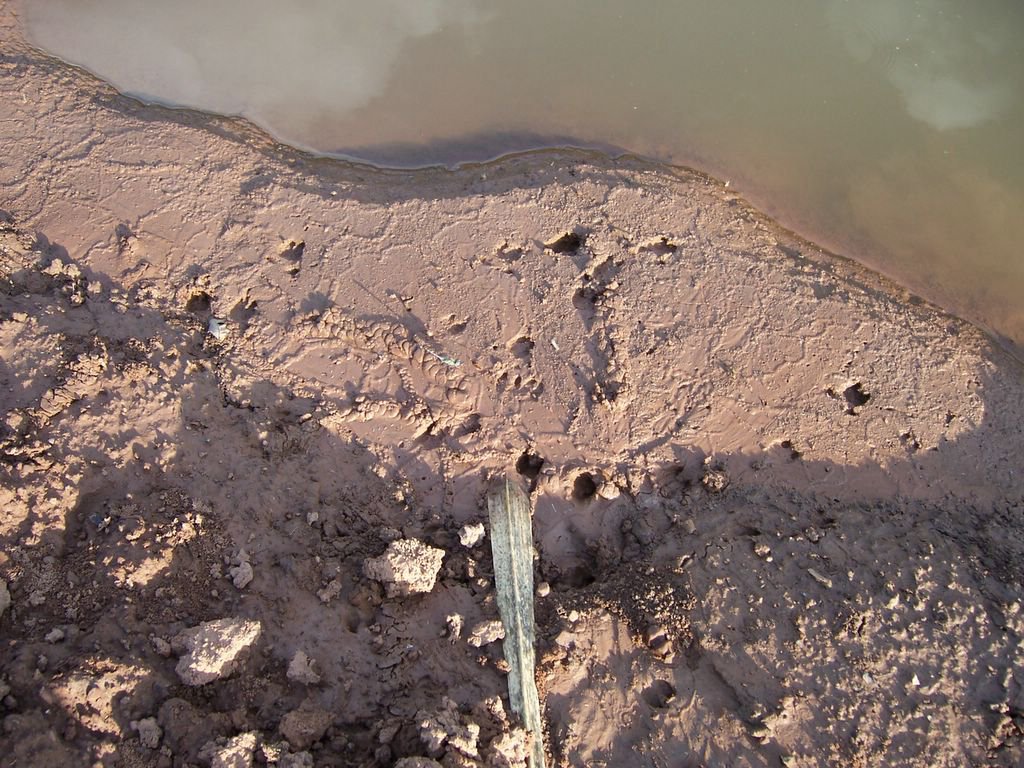
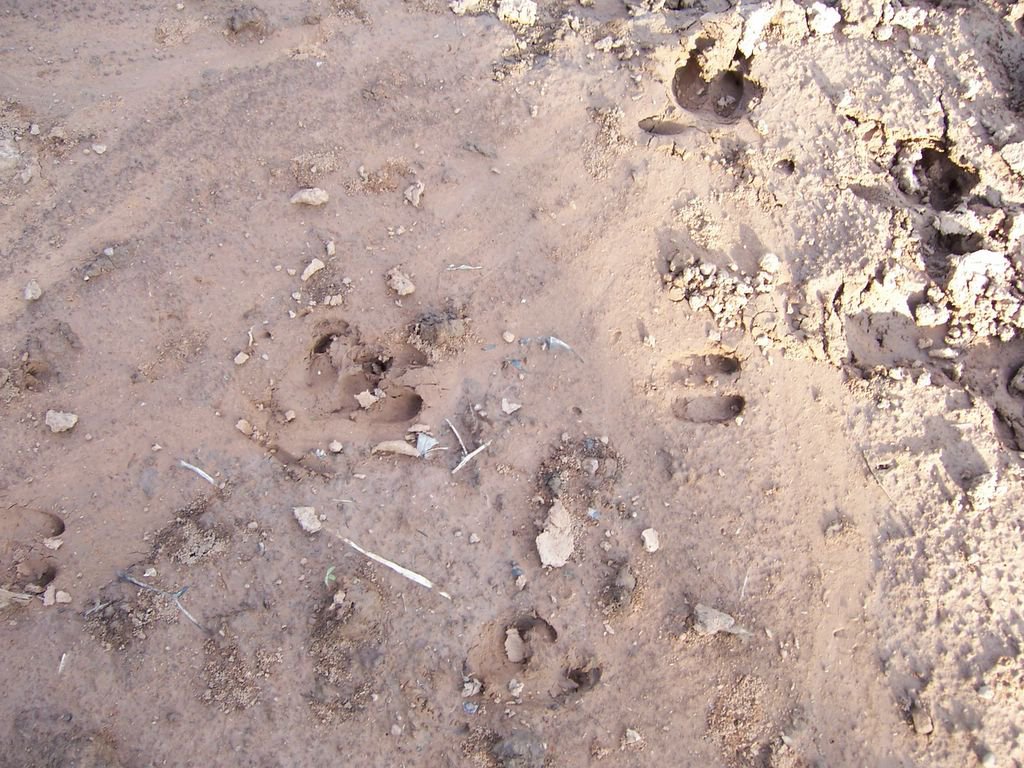
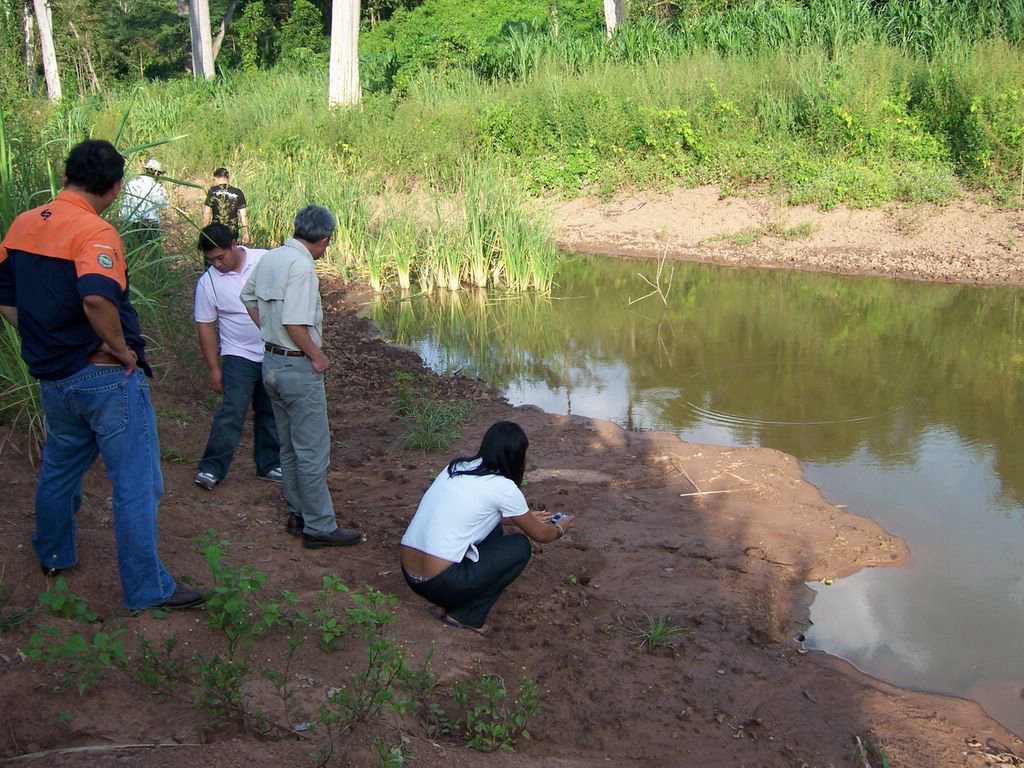
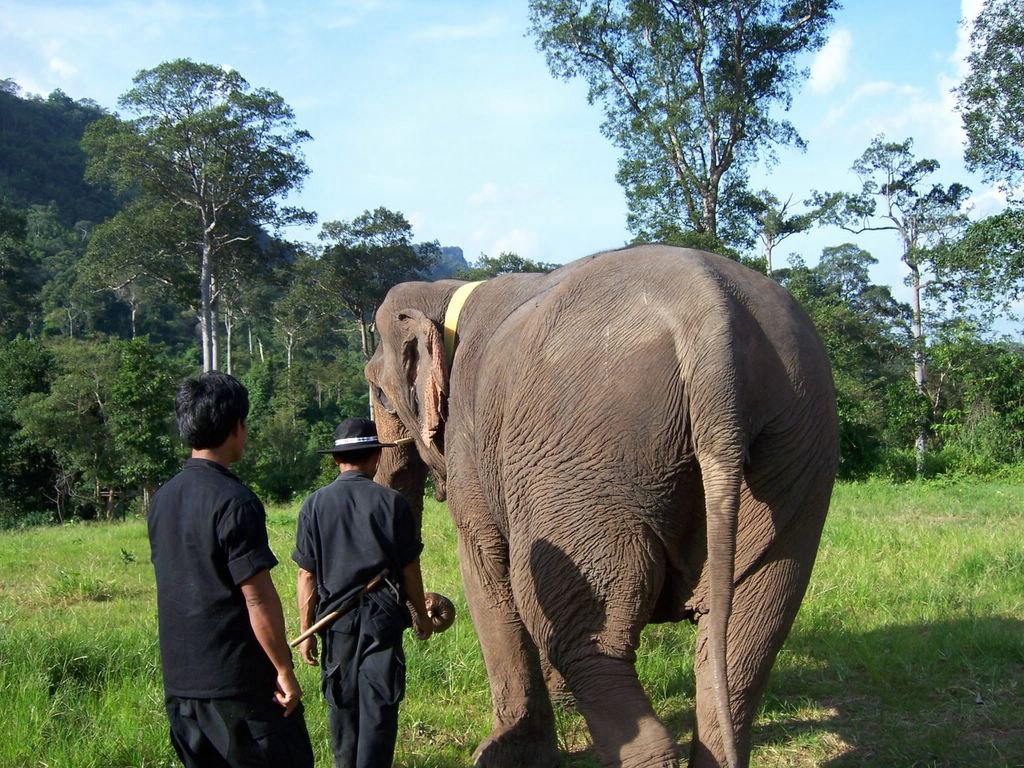



Friday, October 28, 2005
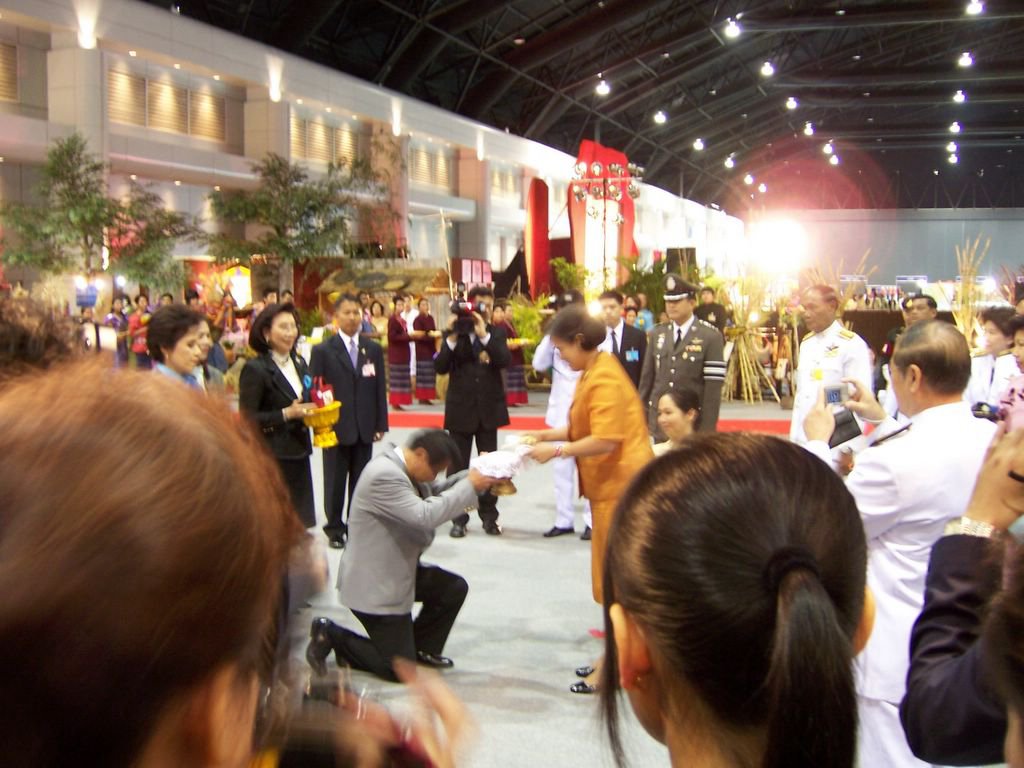
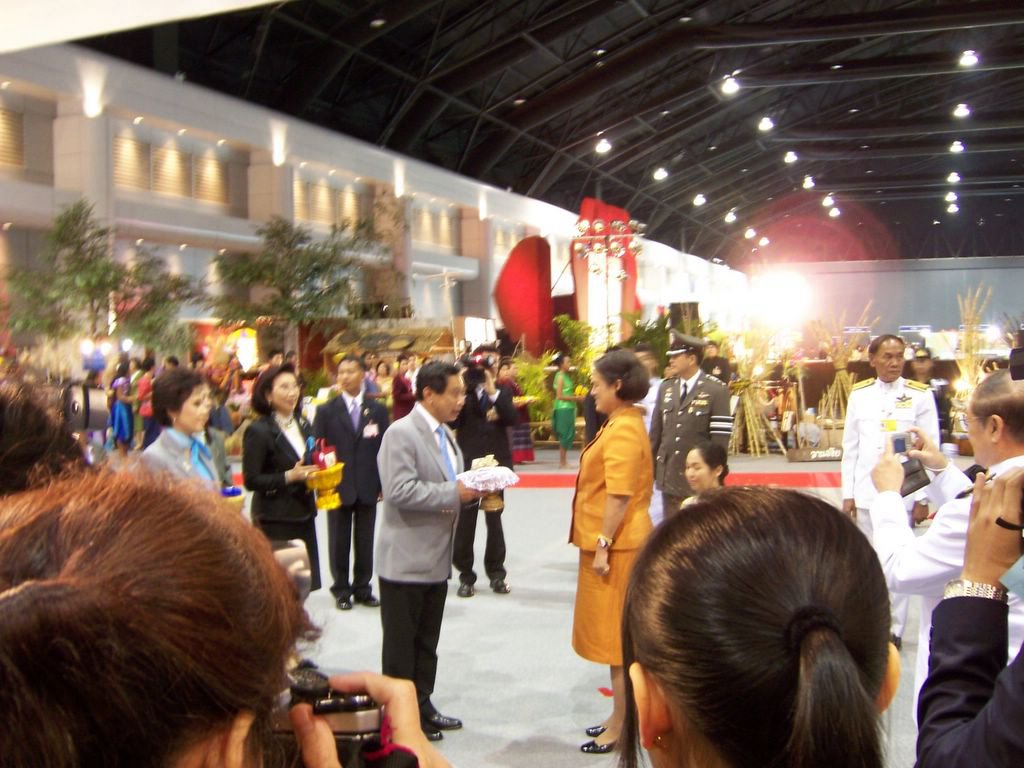
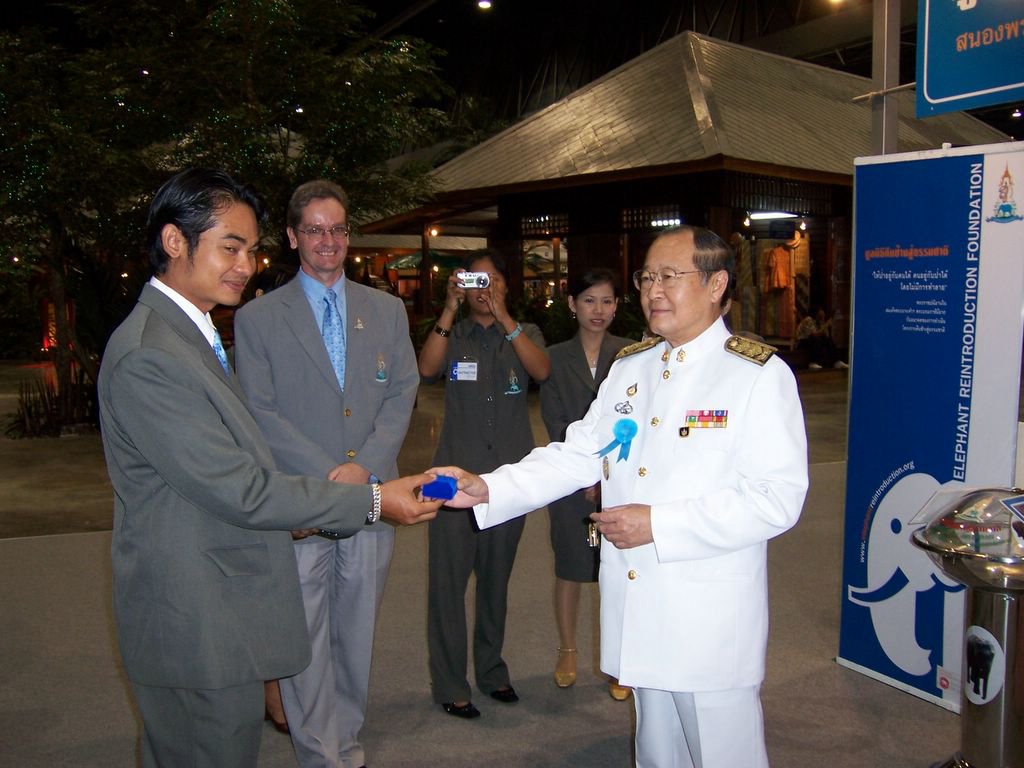
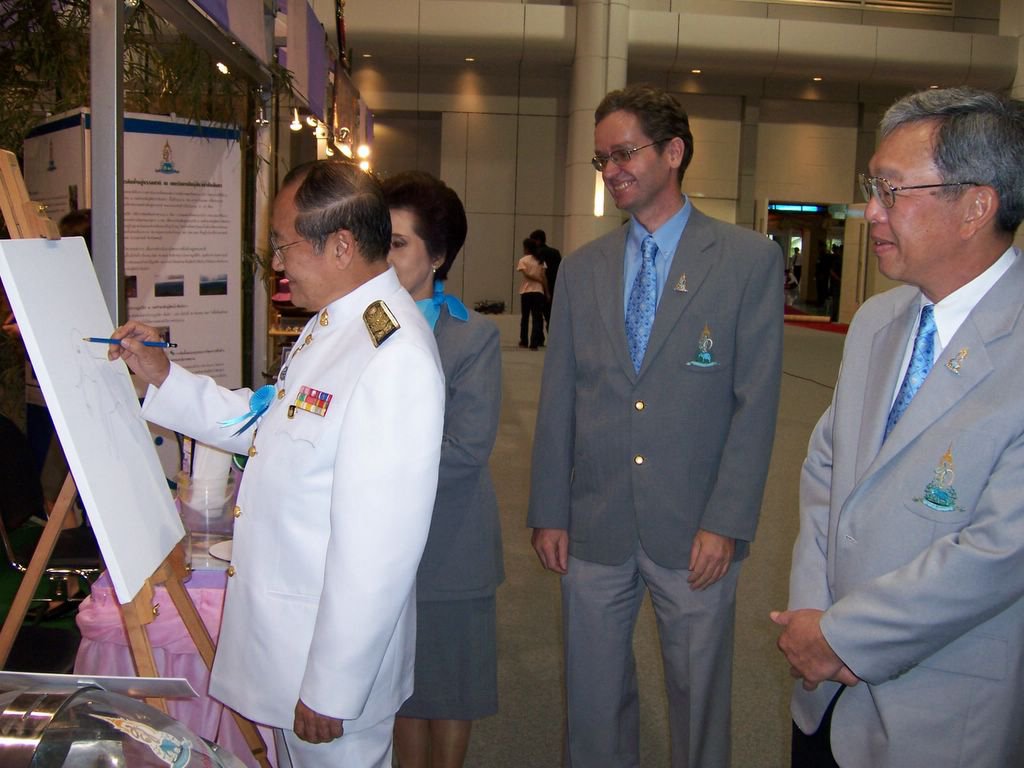
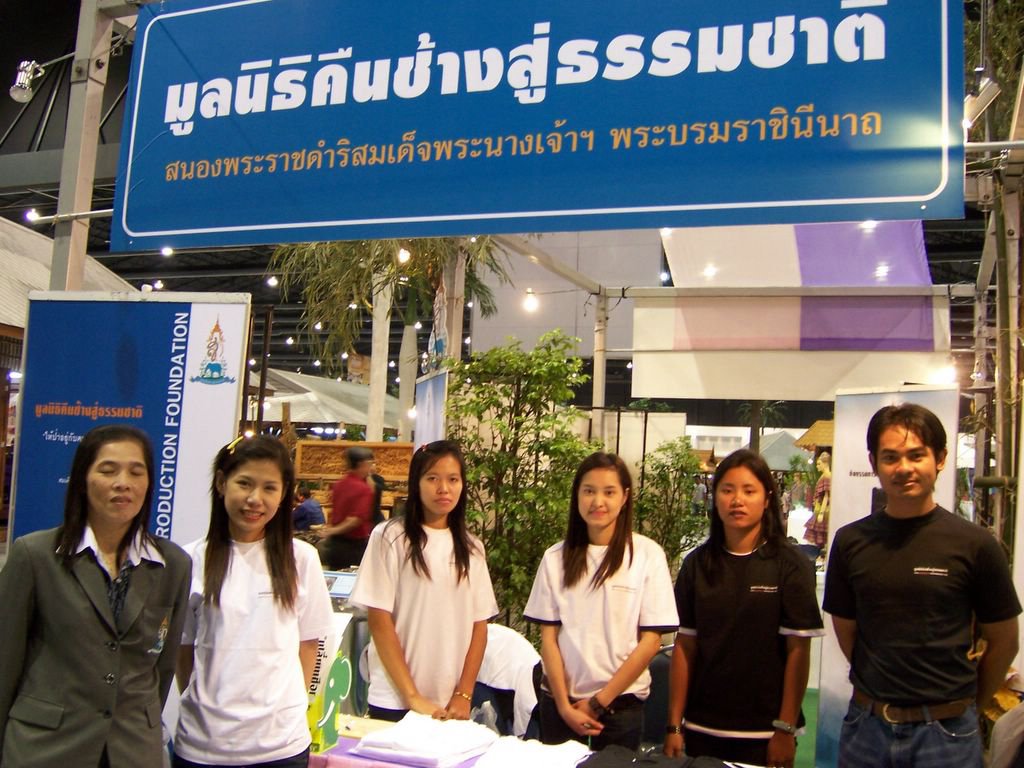
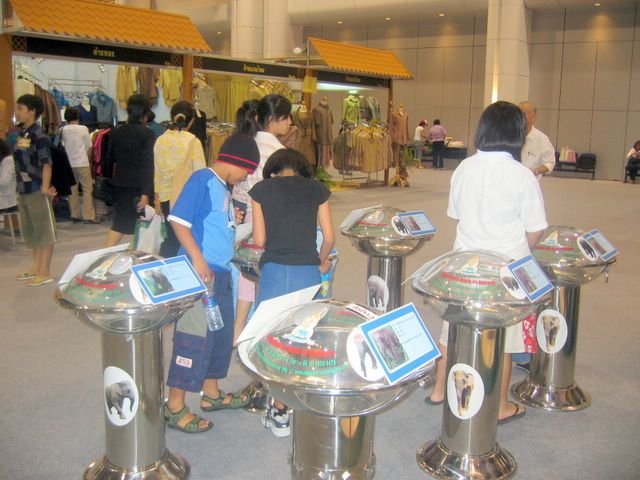
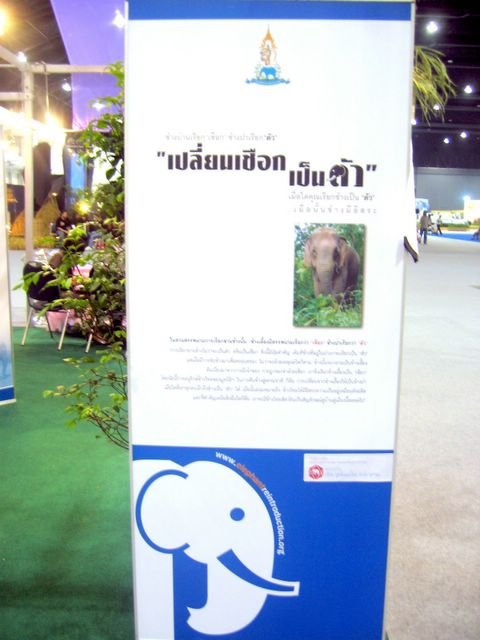 Elephant Reintroduction Foundation takes part in a special event "The 3rd Top Industrial Village and Thai Handloom Fabrics in Honor of Her Majesty the Queen" at Muang Thong Thani.
มูลนิธิคืนช้างสู่ธรรมชาติแสดงนิทรรศการในงานสุดยอดหมู่บ้านอุตสาหกรรมและผ้าทอไทย ครั้งที่ 3 "เจ้าฟ้านักอนุรักษ์ของแผ่นดิน" ระหวางวันที่ 28 ตุลาคม ถึง 6 พฤศจิกายน 2548 ณ อาคารชาเลนเจอร์ 2-3 อิมแพคอารีน่า เมืองทองธานี
Elephant Reintroduction Foundation takes part in a special event "The 3rd Top Industrial Village and Thai Handloom Fabrics in Honor of Her Majesty the Queen" at Muang Thong Thani.
มูลนิธิคืนช้างสู่ธรรมชาติแสดงนิทรรศการในงานสุดยอดหมู่บ้านอุตสาหกรรมและผ้าทอไทย ครั้งที่ 3 "เจ้าฟ้านักอนุรักษ์ของแผ่นดิน" ระหวางวันที่ 28 ตุลาคม ถึง 6 พฤศจิกายน 2548 ณ อาคารชาเลนเจอร์ 2-3 อิมแพคอารีน่า เมืองทองธานี

Thursday, October 27, 2005
Tuesday, October 25, 2005
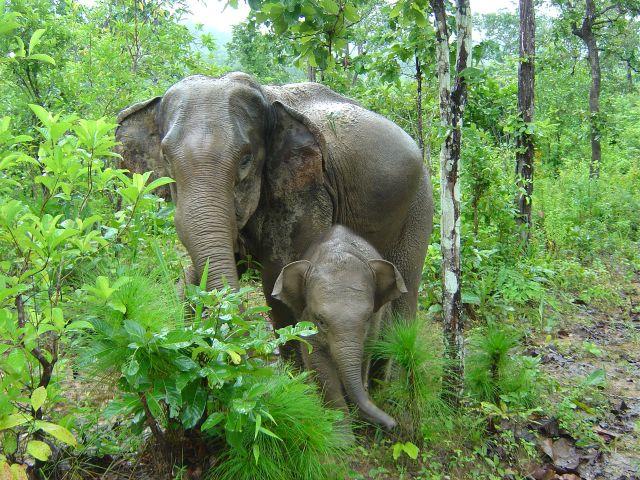
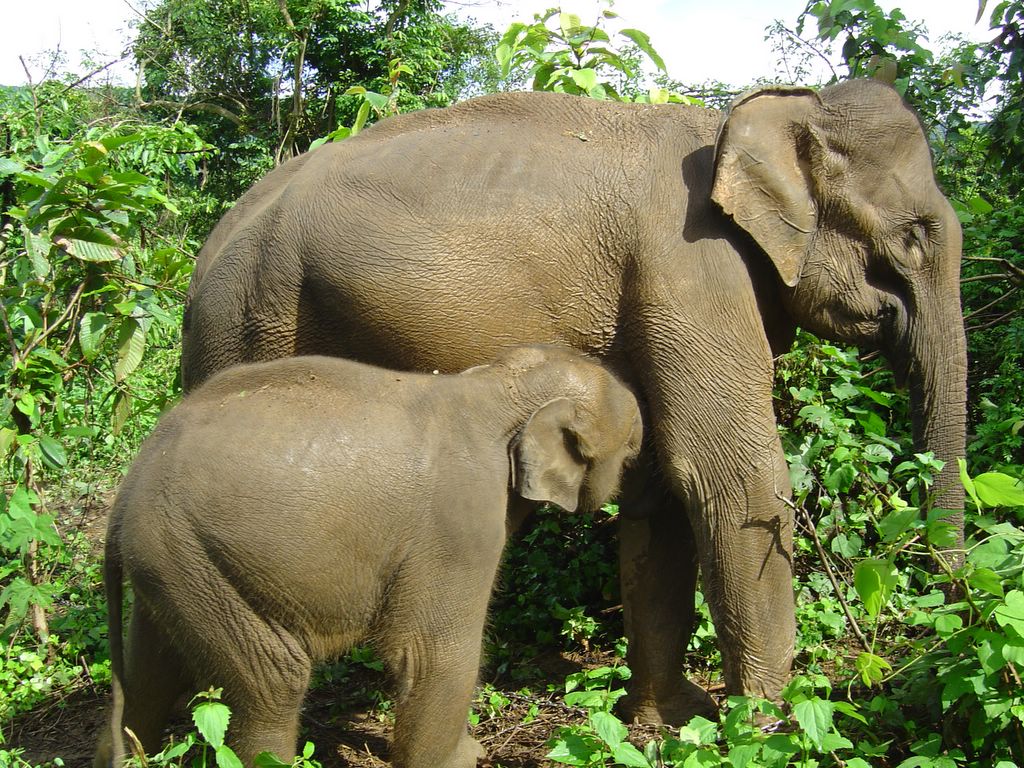
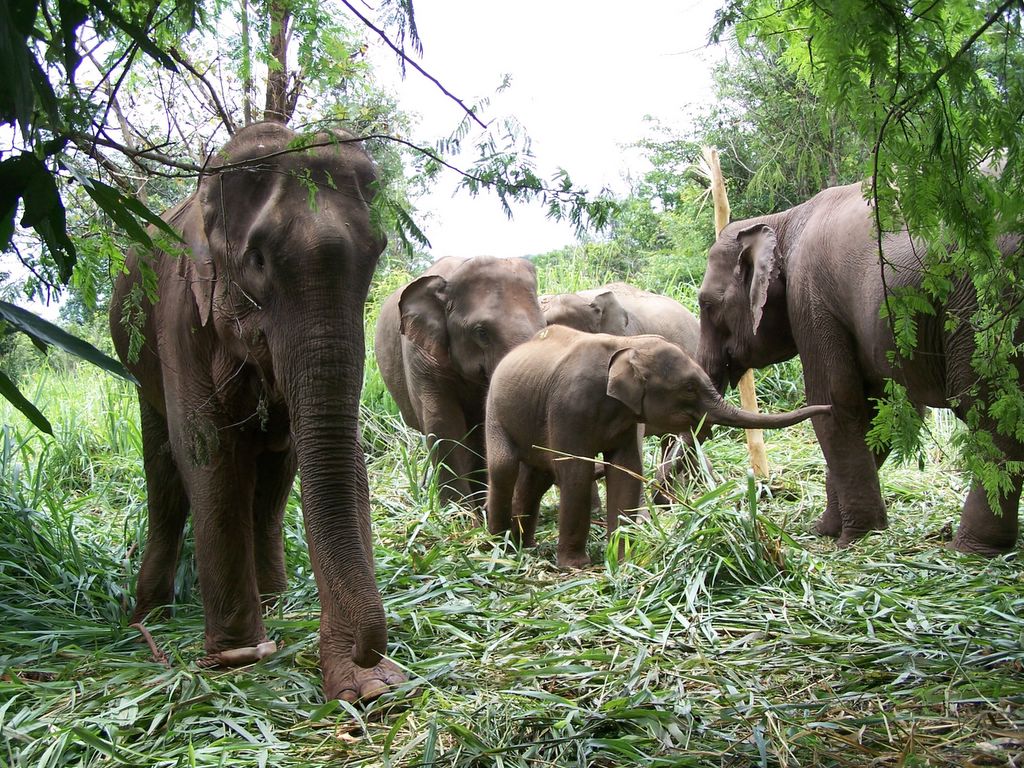
 Four new elephants arrived at the Sublangka Sanctuary in the morning Oct 18. In the first picture, the fat baby elephant is called "Plai Doraemon". He is just only 7 months. His mother is called "Pang Doraemi". Their name is well known in the cartoon world.
เมื่อวันที่ 18 ตุลาคมที่ผ่านมา ช้างแม่ลูก2 คู่ย้ายเข้ามาที่ซับลังกา ในภาพแรกนั้นลูกช้างตัวอ้วนชื่อพลาย โดเรมอนอายุเพียง 7 เดือน ส่วนแม่ชื่อพังโดเรมี
Four new elephants arrived at the Sublangka Sanctuary in the morning Oct 18. In the first picture, the fat baby elephant is called "Plai Doraemon". He is just only 7 months. His mother is called "Pang Doraemi". Their name is well known in the cartoon world.
เมื่อวันที่ 18 ตุลาคมที่ผ่านมา ช้างแม่ลูก2 คู่ย้ายเข้ามาที่ซับลังกา ในภาพแรกนั้นลูกช้างตัวอ้วนชื่อพลาย โดเรมอนอายุเพียง 7 เดือน ส่วนแม่ชื่อพังโดเรมี Wednesday, October 19, 2005
Thursday, October 13, 2005
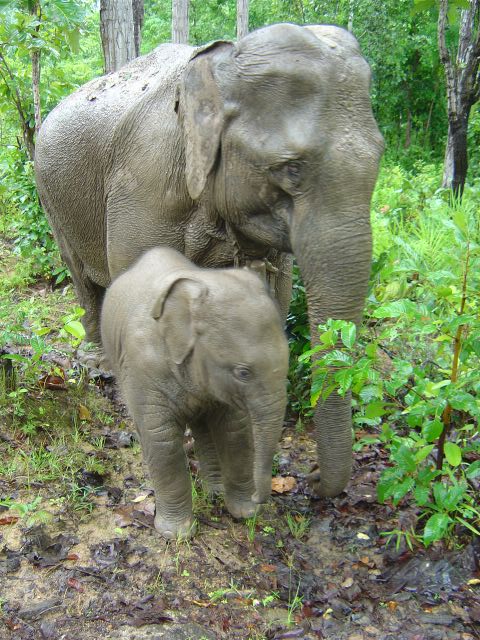
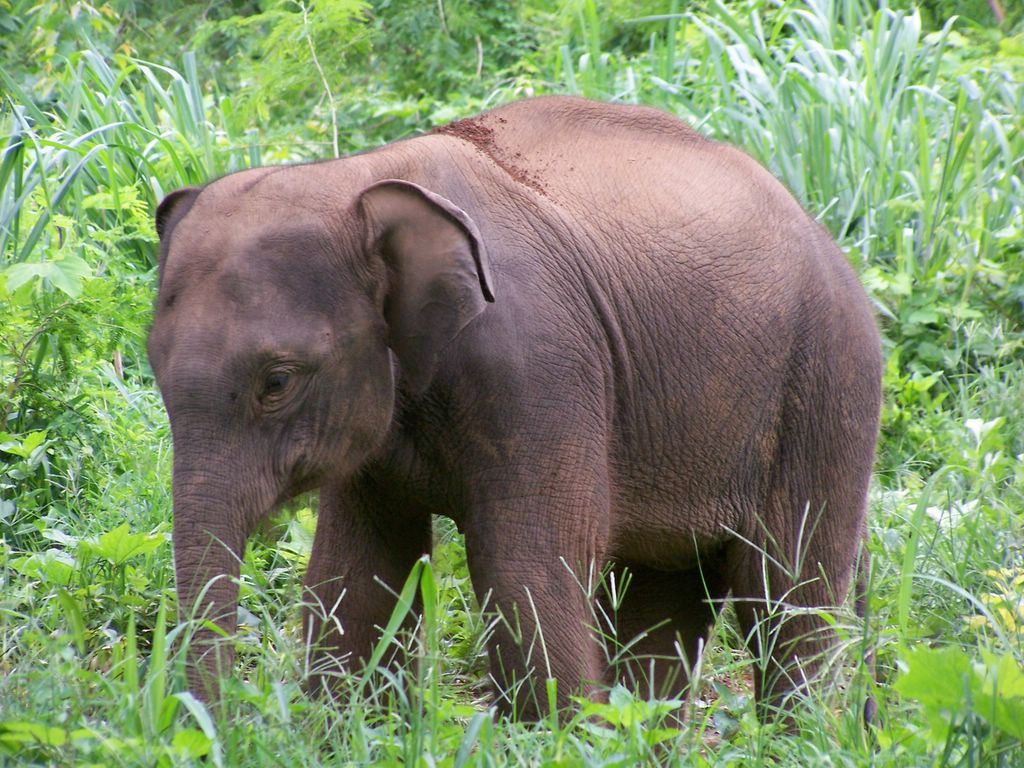
 One month after arriving at the Sublangka Wildlife Sanctuary,Pang Hua-dee and Plai Chalard enjoyed tender grass and Pang Hua-dee gets more healthy. พังหัวดีและพลายฉลาดมีความสุขกับบ้านใหม่และเพื่อนใหม่ที่ซับลังกาเป็นอย่างมาก โดยก่อนหน้านี้พังหัวดี มีรูปร่างค่อนข้างผอม เห็นซี่โครง แต่ปัจจุบันนี้มีน้ำหนักตัวเพิ่มขึ้น รูปร่างอ้วนท้วนเนื่องจากได้อาหารที่เพียงพอ
Wednesday, October 12, 2005


Monday, October 10, 2005
Tuesday, September 27, 2005
"Daily News" newspaper interview about the Foundation
The Daily News prints the interview with the Secretary-General of the Elephant Reintroduction Foundation about the works of the Foundation. Please click on the above link to read the article in Thai.
Thursday, September 22, 2005

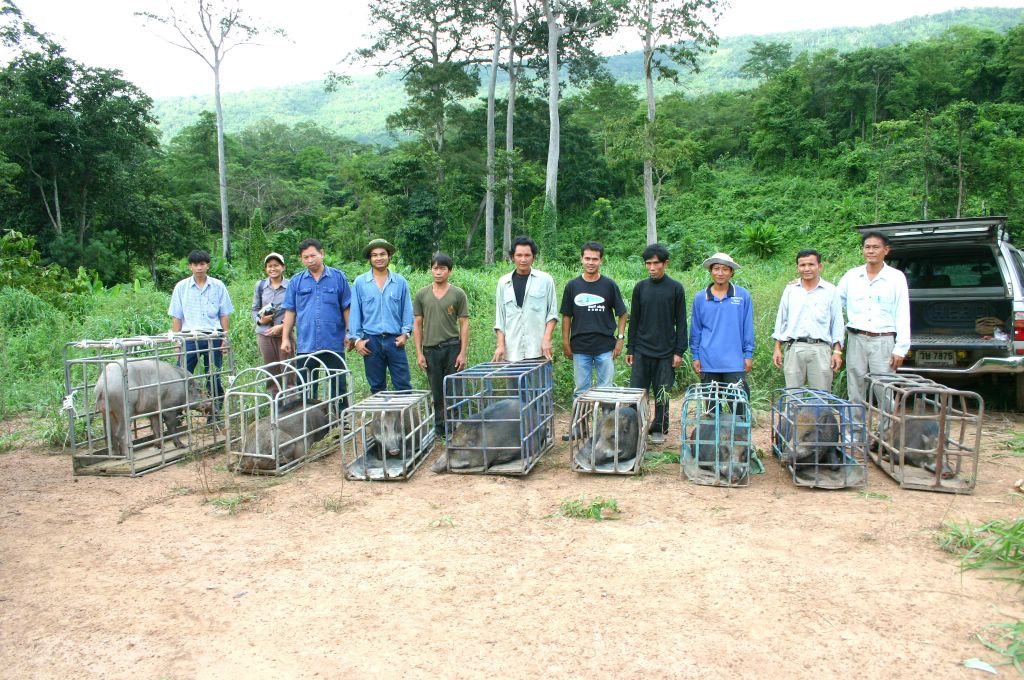
Eight wild boars (7 female and 1 male) are being readied to be released to the wild. Five of the female boars are pregnant with 5-10 babies each. The boars are implanted with microchips for identification. Release of the pregnant boars will ensure better reintroduction results as the boars will have to seek a safe place to have their babies. Also the male boar will be very protective and alert.
Wednesday, September 21, 2005
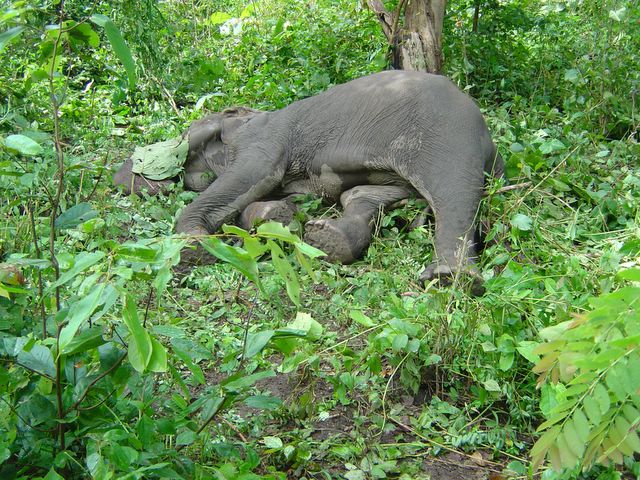
Pang Chumpee is found dead by our field staff in the forest of Doi Phamuang Wildlife Sanctuary near Lampang. She was about 61 years old and died of natural causes. She was released almost 6 years ago by H.M. the Queen Sirikit and enjoyed her last years in the wild after many years of hard work in the logging business. As traditional, a large lotus leaf is used to cover the elephant's face.
Tuesday, September 20, 2005

Monday, September 19, 2005
Chang, Chierk, and Tua
The Thai language uses two words to differentiate captive elephants and wild elephants. "Chierk" or "rope" is used for captive elephants. "Tua" or "living body" is used for wild elephants. In the past, the number of elephants possessed by a person was symbol of his power and wealth. Since it is usual that wild elephants will mingle with captive elephants, the word "Chierk" or "rope" was used to differentiate the actual number of captive elephants a personage possessed. "Chierk" was the rope that was tied to the captive elephant's ankle, which enabled the mahouts to corral the elephants by tethering another rope to it. I guess that if they had chains in the past, the captive elephants would have been called "Sow" or "chain". Unfortunately, most Thai have been acquainted with captive elephants for so long that the word "Chierk" has been used for both captive and wild elephants. The Elephant Reintroduction Foundation wants to stress the differentiation between "Chierk" and "Tua" and has come up with the motto "From Chierk to Tua".
Royal elephants are called "Chang", since they are regarded as higher than normal animals and cannot be called "Tua" Furthermore, they are not captive elephants and cannot be called "Chierk". ในภาษาไทยลักษณะนาม(บอกจำนวน)ที่ใช้เรียกช้างบ้าน จะเป็น "เชือก" ช้างป่าจะเป็น "ตัว" ในอดีตถ้าใครมีช้างในครอบครองอยู่มาก จะเป็นการบ่งบอกถึงความร่ำรวยและอำนาจบารมี สันนิษฐานว่า คำว่าเชือกจะมาจากการที่ใช้เชือกผูกช้าง และนับจำนวนช้างตามเชือกที่มีซึ่งคำว่า "เชือก" ถูกใช้จนเคยชินจนบางครั้งคนที่ไม่รู้ก็จะเรียกช้างป่าว่าเชือกด้วย มูลนิธิคืนช้างสู่ธรรมชาติจึงอยากจะให้ความสำคัญกับคำว่า "ตัว" จึงมีคำขวัญประจำมูลนิธิฯว่า "เปลี่ยนเชือก เป็นตัว" ส่วนช้างต้น จะมีลักษณะนามว่า "ช้าง"
Sunday, September 18, 2005
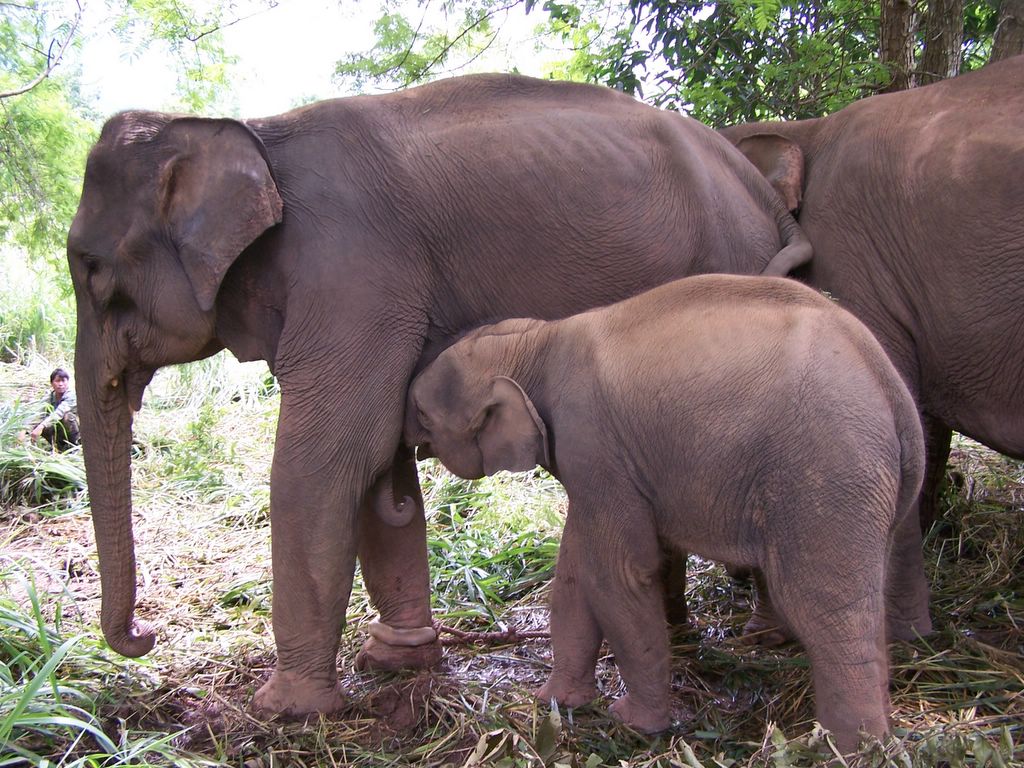

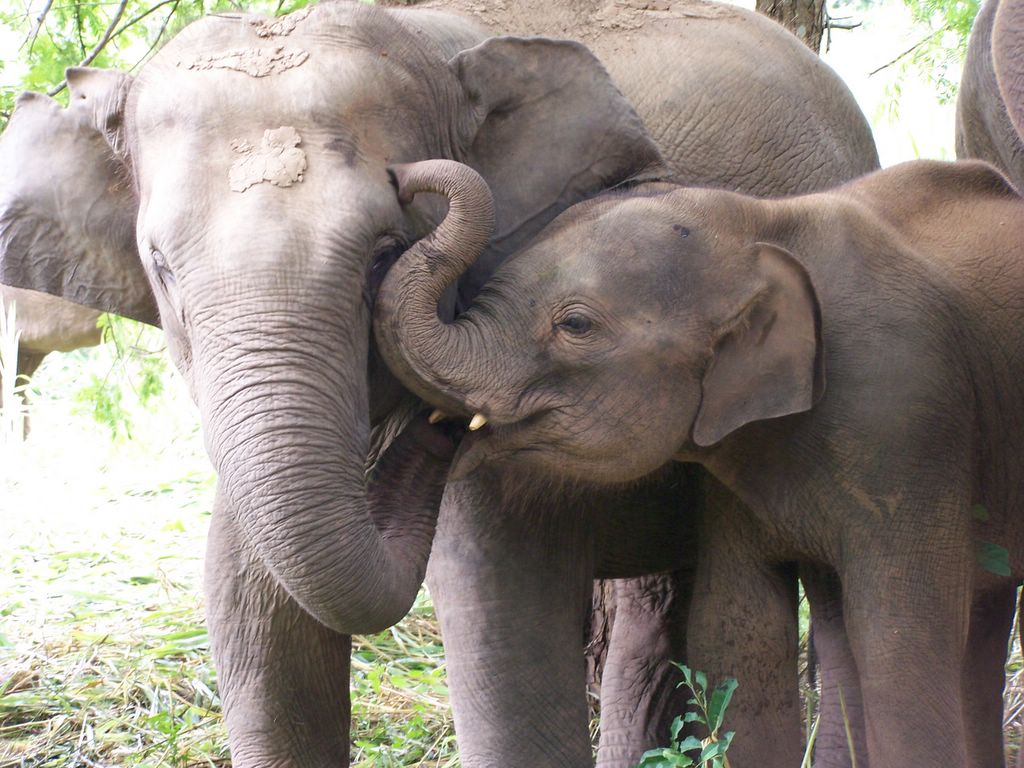


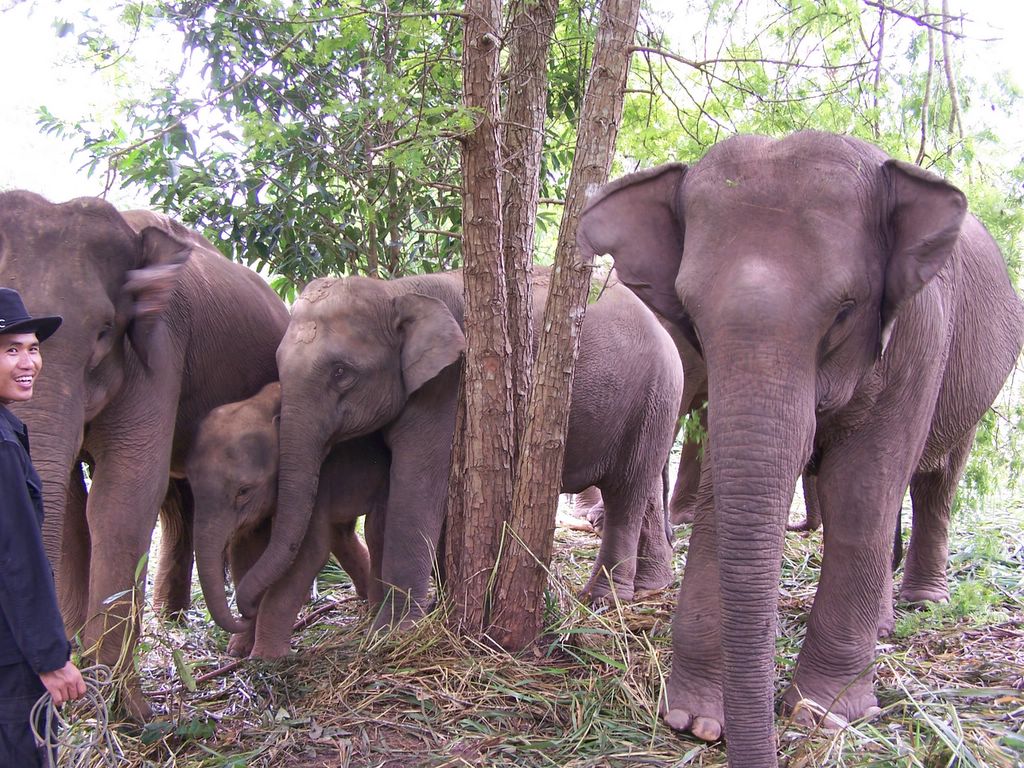

Pang Hua Dee has been malnourished and her skeleton shows on her side. Now in Sublanka she will be able to regain her normal weight and beauty. จากภาพสามารถมองเห็นซี่โครงของพังหัวดีอย่างชัดเจน เนื่องจากขาดสารอาหาร แต่เมื่อได้มาอยู่ที่เขตรักษาพันธุ์สัตว์ป่าซับลังกา พังหัวดีก็จะมีอาหารที่หลากหลายให้มีร่างกายที่แข็งแรงสมบูรณ์อีกครั้ง


Subscribe to:
Posts (Atom)
